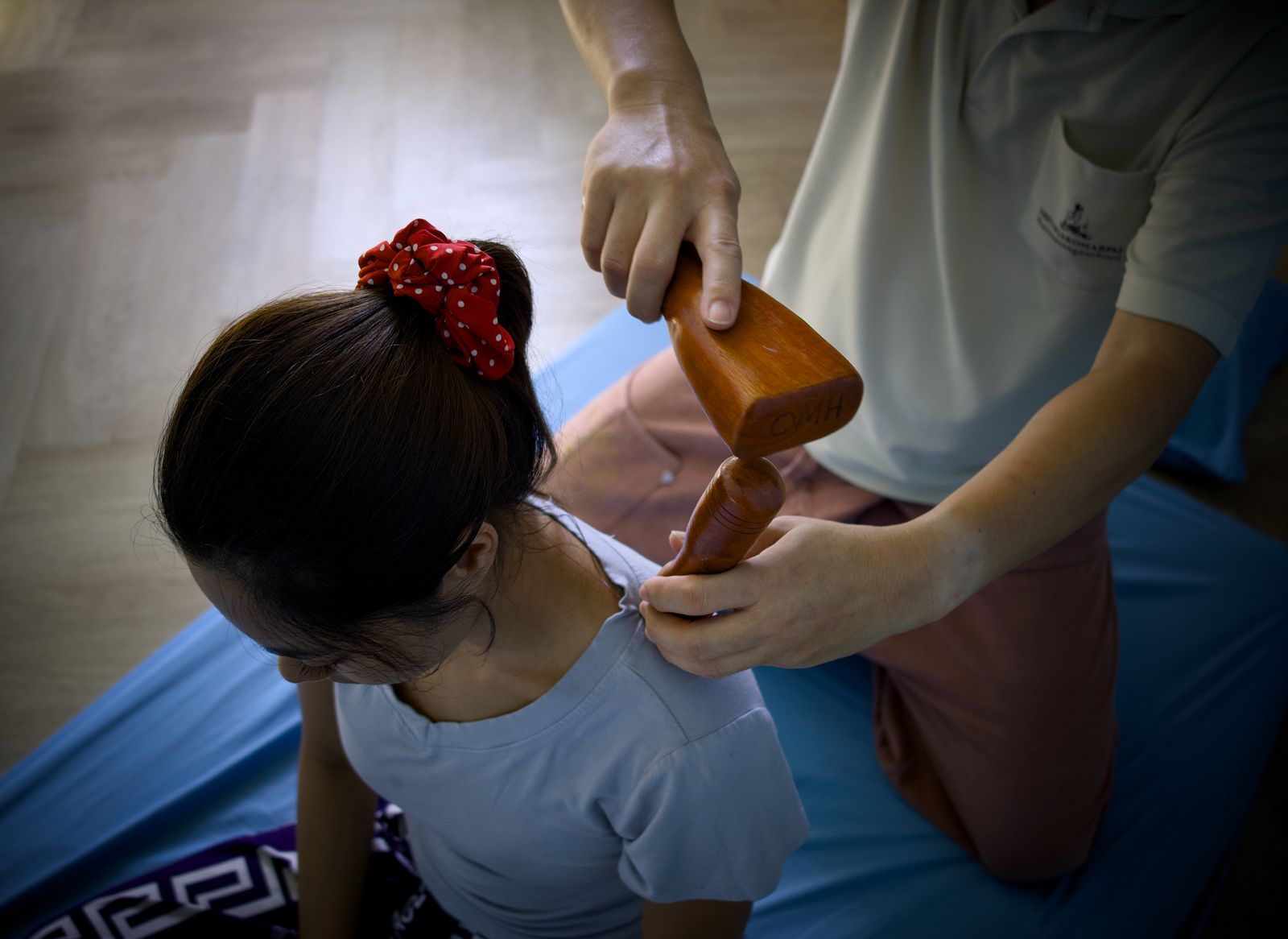
6D Shiatsu Kneading vs. 3D Massagers: Which Is Right for Deep Tissue Relief?
6D shiatsu kneading vs 3D massagers is a directions contest: 6D adds extra axes so nodes can rock and travel while they knead, which is often right for deep tissue relief on small knots. 3D massagers can still feel great for broad, warm passes. Neither is a clinic. Pair either with a spine-clearance shape, a hands-free buckle, optional heat, and a 15-minute stop. If a 3D node skates off the knot, 6D is the upgrade.
What 3D and 6D are actually doing
3D massagers in this category usually spin nodes in a three-direction pattern meant to mimic thumbs. 6D shiatsu kneading keeps that idea and adds more paths so the node can stay in a fold of tissue when you breathe or the fabric shifts. That extra stay-put is the practical meaning of deep tissue relief: the knot remains in the path.
Letters are marketing until you feel the difference on a grape-sized hold at the corner of the neck and shoulder. If you only want the upper back warmed while you read, 3D may be right. If you can point to a pebble that survives a 3D pass, 6D is right.
Deep tissue is placement, then letter
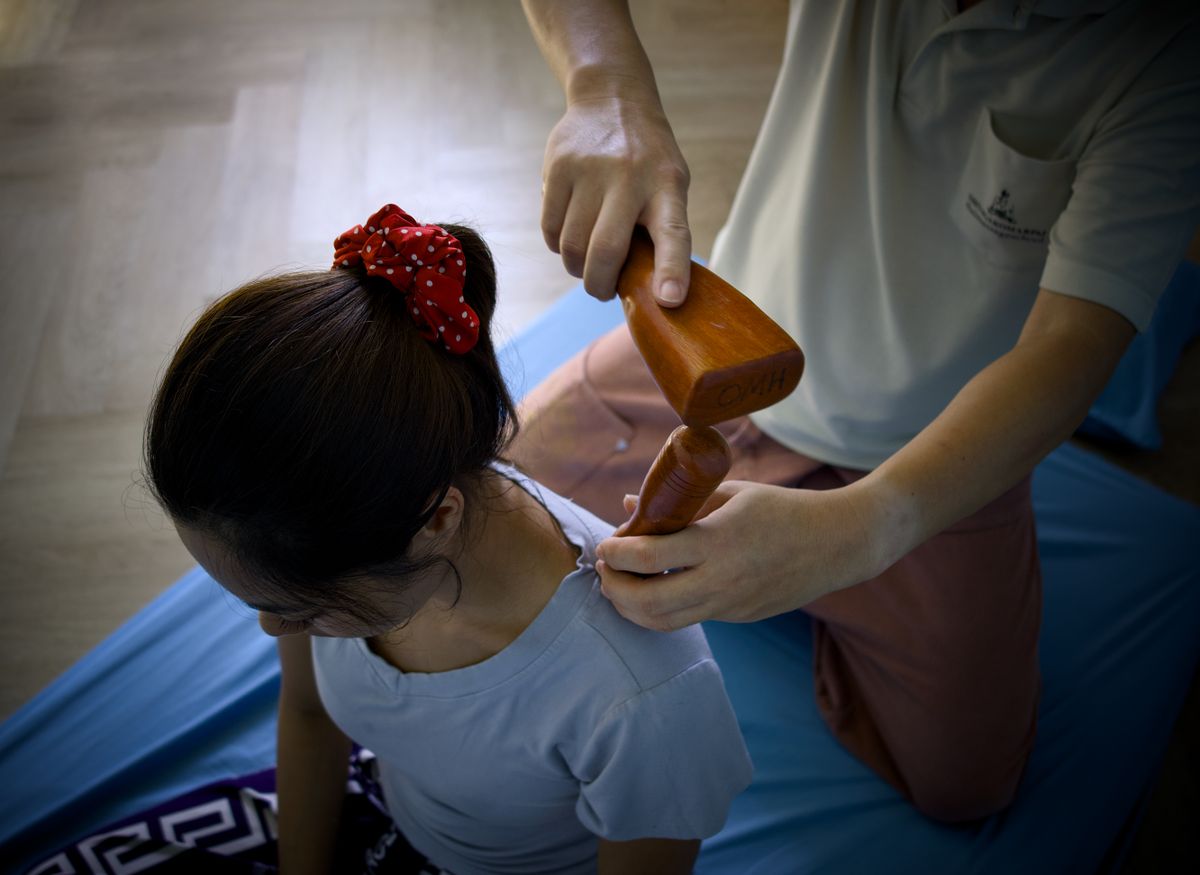
Photo by Pete Miller Portraits on Pexels
Deep tissue relief fails when nodes sit on bone, no matter whether the box says 3D or 6D. Channel over the spine. Meat of the trap. Hands-free so you are not shrugging. Heat after 1–3 minutes if the tissue feels cool.
Right does not mean more intense. A low 6D pass that stays on the knot beats a high 3D pass that chatters on the vertebrae. Fifteen minutes is enough to decide which is right for your tightness.
When to keep a 3D unit you already own
If your 3D massager stays on the zone, the buckle works, and you finish 15 minutes feeling looser, you do not owe anyone a 6D upgrade. Which is right can be “the one already on the hook.”
Upgrade when the node wanders, when you have to hold 2.8 lbs because the strap is an afterthought, or when you want heat and cordless USB in the same wrap. 6D shiatsu kneading is the motion upgrade; the buckle is the use upgrade. Buy both ideas at once if you can.
6D shiatsu versus 3D massagers
| Factor | 3D massagers | 6D shiatsu kneading | | --- | --- | --- | | Node paths | Limited rotation set | Extra axes: rock, travel, knead | | Deep tissue on a small knot | Can skate | More likely to stay in the fold | | Broad warmth | Often enough | Also fine, sometimes more motion than you need | | Hands-free need | Same — buckle still wins | Same — buckle still wins | | Heat pairing | Useful if available | Useful; 15-minute window |
Choosing 6D vs 3D checklist

Photo by Pete Miller Portraits on Pexels
- [ ] Point to the knot you care about; imagine a node staying there.
- [ ] Require a spine channel regardless of 3D or 6D.
- [ ] Require a buckle; holding the unit is not deep tissue work.
- [ ] Prefer USB cordless if you will use it in more than one room.
- [ ] Test 15 minutes on low before you raise intensity.
- [ ] Heat optional; off switch required.
Frequently asked questions
Is 6D always right for deep tissue relief?
It is the better match for small knots that escape 3D. Broad, gentle warmth can still be a 3D job.
Will 6D hurt more than 3D?
Not if you start low and stay on muscle. Hurt means move the wrap, not that 6D is “working.”
Can I use a 3D massager on the same 15-minute plan?
Yes. Duration is a skin-and-fatigue limit, not a letter limit.
Does 4D sit in the middle?
Treat middle letters as marketing until you feel stay-put on your knot. Compare 3D vs 6D on grip, not on the integer.
Is deep tissue relief a medical result?
At home it is comfort language for easing a tight hold. Numbness or sharp symptoms are a clinician’s question.
Related reading
These comparison and how-to pages help you match node type to placement.
- guide to shiatsu, heat, and wireless features
- how-to for shiatsu on neck tension
- how to massage trapezius with a cordless massager
- buying comparison for shoulder and trapezius massagers
What to do next
If a 3D massager skates off your knot, try 6D shiatsu kneading with a buckle and a 15-minute low session on muscle. If 3D already stays put and feels enough, it is right — extra letters are optional, not obligatory, for deep tissue comfort.
Cover photo by Pete Miller Portraits on Pexels.