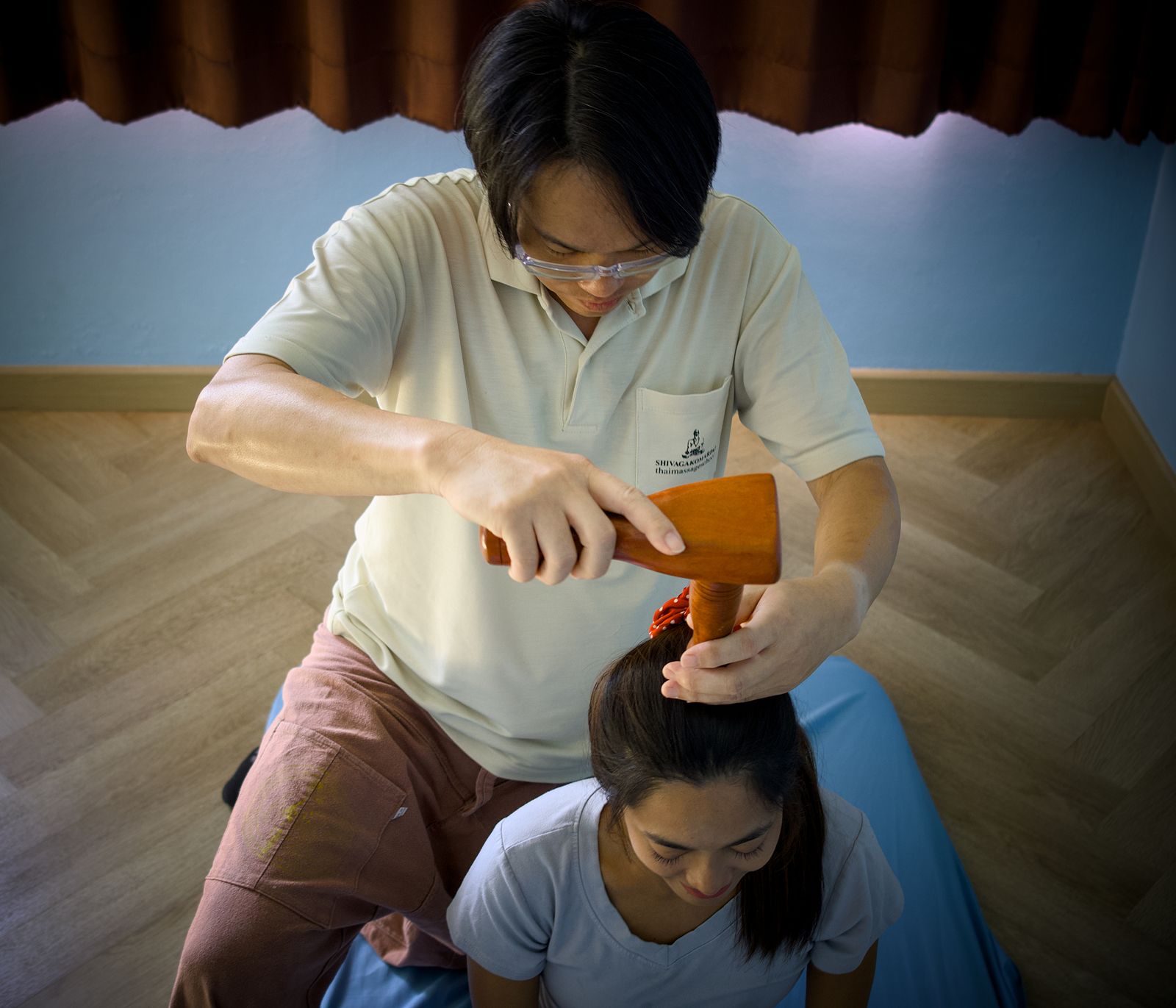
The Science of 6D Shiatsu Mechanics: How Deep Kneading Releases Myofascial Trigger Points
The science of 6D shiatsu mechanics is simple: extra node directions let deep kneading grip, lift, and roll tissue instead of sliding over it. People often use that motion on tight spots they call myofascial trigger points — the pea-like holds in the upper traps and shoulders. This is comfort and relaxation work, not a clinic protocol. Keep nodes on muscle, use a 15-minute session, add heat after a 1–3 minute warmup, and let the wireless buckle hold the 2.8 lb unit so the mechanics stay where you placed them.
What 6D mechanics actually change
Shiatsu-style home units use rotating nodes meant to mimic thumbs. Two-direction or 3D designs mostly spin in a plane. 6D mechanics add more axes so the node can rock and travel as it kneads. That extra travel is why a wrap can stay on the upper trap without feeling like a single blunt wheel.
Deep kneading is a pressure-plus-movement problem. Static pressure (leaning on a ball) loads one spot. Percussion taps. Kneading grabs a fold of tissue and moves it. When the fold includes a tight point, people feel a dull, spreading warmth rather than a poke. If you feel a poke, the node is on bone or on a thin edge of muscle — shift it.
Myofascial is a word for muscle plus the connective sheet around it. Trigger points, in everyday language, are those tight spots that refer a twinge when pressed. Home 6D shiatsu does not claim to “release” tissue the way a licensed manual therapist maps a protocol. It does give you repeatable deep kneading you can place on those spots after a desk day.
Why heat and time sit next to the mechanics
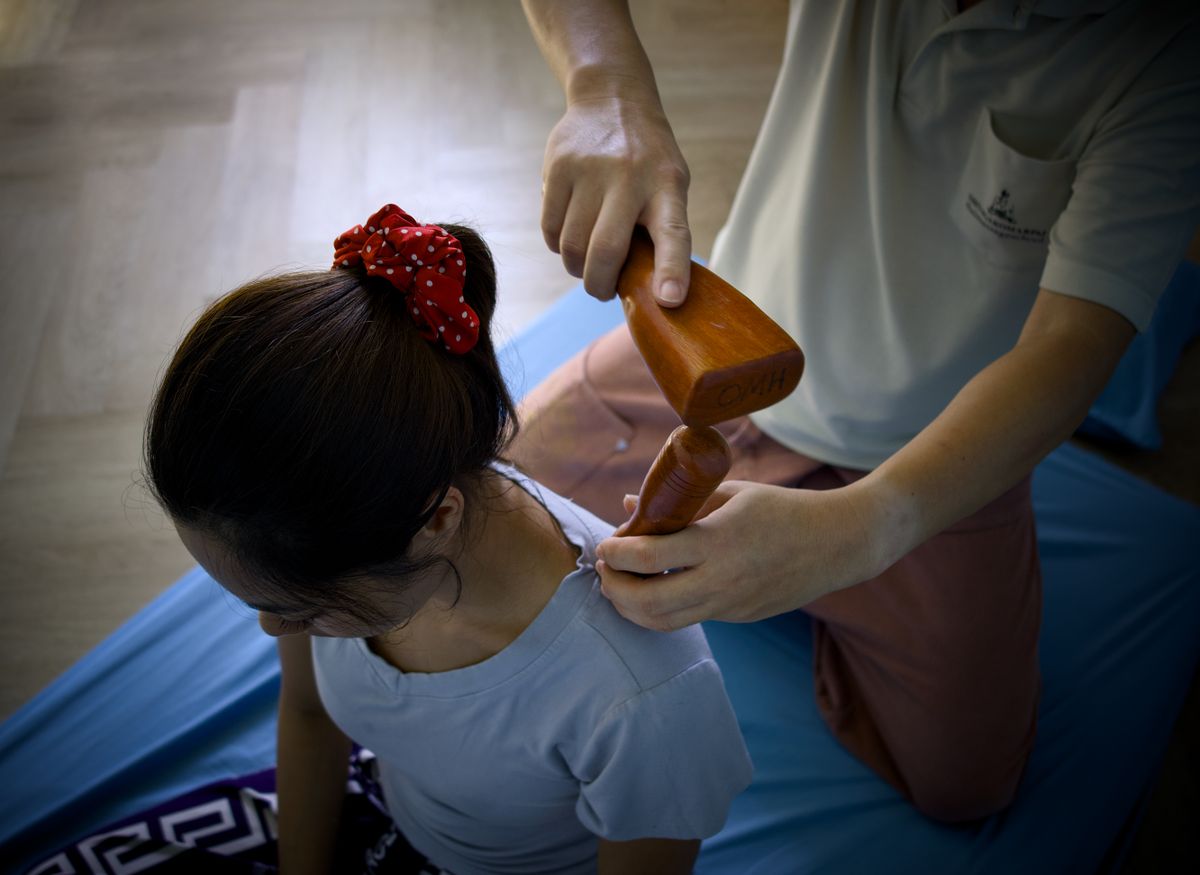
Photo by Pete Miller Portraits on Pexels
Heat does not replace kneading. It makes the same mechanics feel less abrupt. A 1–3 minute warmup, then a 15-minute heat session paired with kneading, is the product window. Longer is not more scientific; it is more fatigue.
Hands-free use matters because your own arms become part of the machine if you hold 2.8 lbs. Shrugged shoulders cancel the mechanics. Buckle the wireless strap, sit back, and let the nodes work. Battery runtime of 60–90 minutes is several of those sessions after a 2–3 hour USB charge.
A 15-minute session is the experiment
You do not need a lab to feel 6D shiatsu mechanics. Sit, buckle, place the nodes on a known tight spot in the upper trap, and stay for 15 minutes. If the node wanders onto bone, the experiment failed placement, not science. If the spot feels dull and warmer, the deep kneading did what home myofascial work can do: it moved a fold of tissue you had been parking all day.
After the motor stops, try a 15–30 second ear-to-shoulder hold each way. Drink water if you like; walk to the next room. The point is to not fold straight back into the laptop pose. Trigger points, as people use the word, often return when the pose returns. Mechanics help the minute; posture keeps the next hour from undoing it.
If you want a second pass, wait. The 60–90 minute battery will still be there. Stacking intensity because the first session felt “not released enough” is how people bruise a trap and then blame the massager.
Mechanics compared
| Approach | What it does to tissue | Fit for tight spots | | --- | --- | --- | | 6D shiatsu kneading | Grips and rolls in extra directions | Upper traps, shoulders, beside the spine channel | | Simple rotating nodes | Mostly one-plane spin | Broad warmth, less grip on a small knot | | Percussion gun | Rapid taps | Focal, easy to bounce onto bone | | Static ball or thumb | Holds one point | Useful, but your hands tire | | Vibration wrap | Buzz without a fold of tissue | Soothing, not deep kneading |
Placement, use, and care checklist
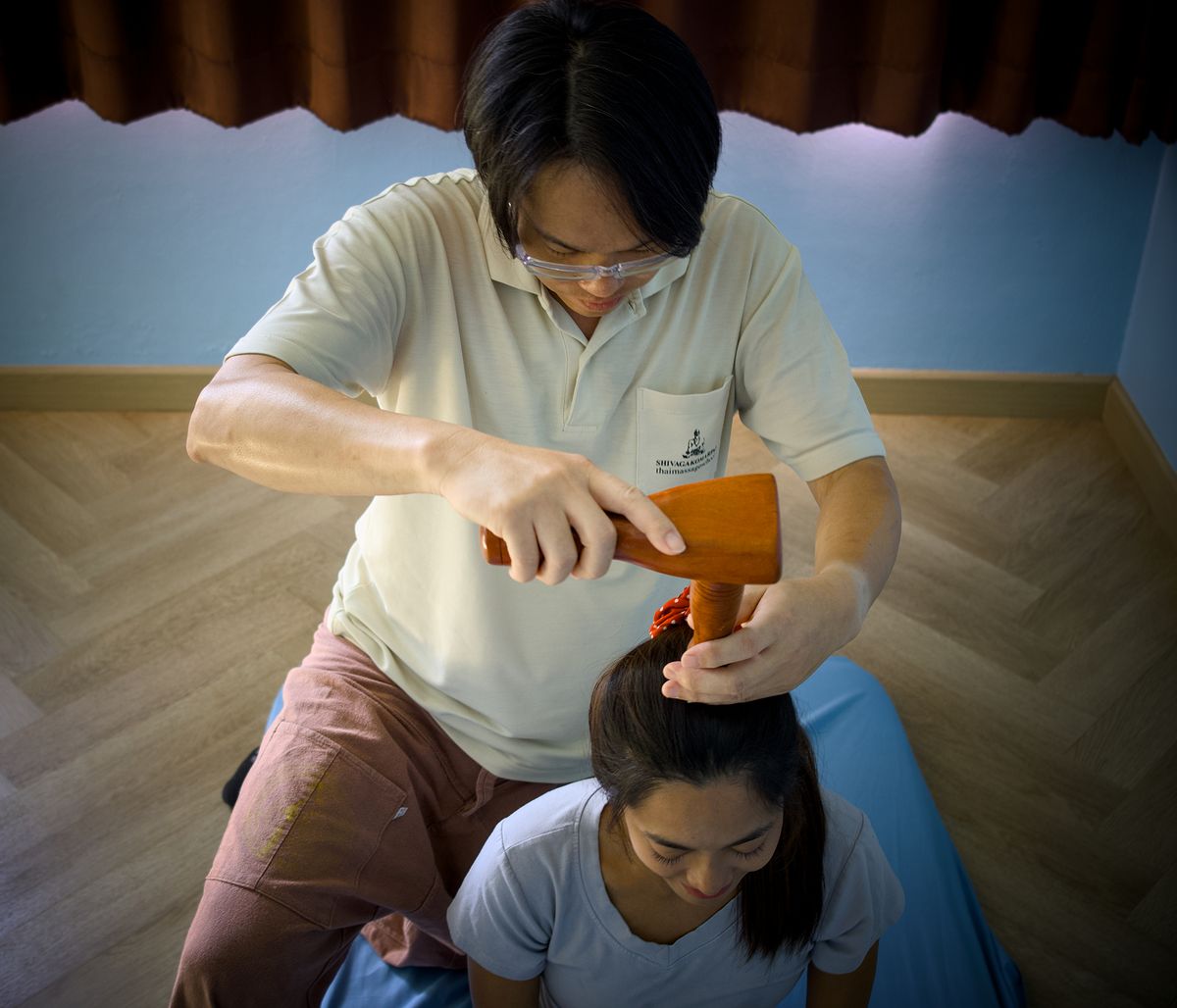
Photo by Pete Miller Portraits on Pexels
- [ ] Sit supported; buckle the wireless strap so the unit is hands-free.
- [ ] Place nodes on muscle bellies, not on vertebrae, throat, or collarbone.
- [ ] Start low; add heat after 1–3 minutes if the room is cool.
- [ ] Stay on a tight spot only if it feels like dull kneading, not sharp poke.
- [ ] Stop at 15 minutes; stretch 15–30 seconds each side after if it feels good.
- [ ] Charge 2–3 hours; do not run the pack flat every session.
- [ ] Wipe the fabric; keep the spine channel free of hair ties and jewelry.
Frequently asked questions
Does 6D shiatsu release myofascial trigger points the way a therapist would?
No device replaces a skilled pair of hands with a plan. 6D mechanics give you deep kneading on spots people call trigger points. Use it for comfort. See a clinician for numbness, weakness, or symptoms that worry you.
Why do the nodes need a spine channel?
Kneading on bone is unpleasant and useless. The channel lets mechanics work the traps on either side.
Is deeper always better science?
No. Mechanics fail when you outrun the tissue’s comfort. Low and accurate beats high and sliding.
Should I hold a stretch while the nodes knead?
A gentle 15–30 second side bend after the session is enough for most people. Do not yank the head while the motor is running.
Can I use 6D mechanics on the upper back and shoulders too?
Yes, if nodes stay on muscle. The same science — grip, roll, clear bone — applies below the neck.
Related reading
These how-to and FAQ pages show where to put the nodes and how heat fits the same 15-minute window.
- how to massage the trapezius with a cordless unit
- how-to guide for shiatsu on neck tension
- performance guide to shiatsu, heat, and wireless use
- FAQ on heated upper back massage
What to do next
Tonight, buckle the cordless neck massager so the 6D nodes sit on the meat of the upper traps, not the spine. Run one 15-minute deep-kneading session with heat if the room is cool. If a spot feels sharp, move the unit — mechanics only help when they stay on muscle.
Cover photo by Pete Miller Portraits on Pexels.