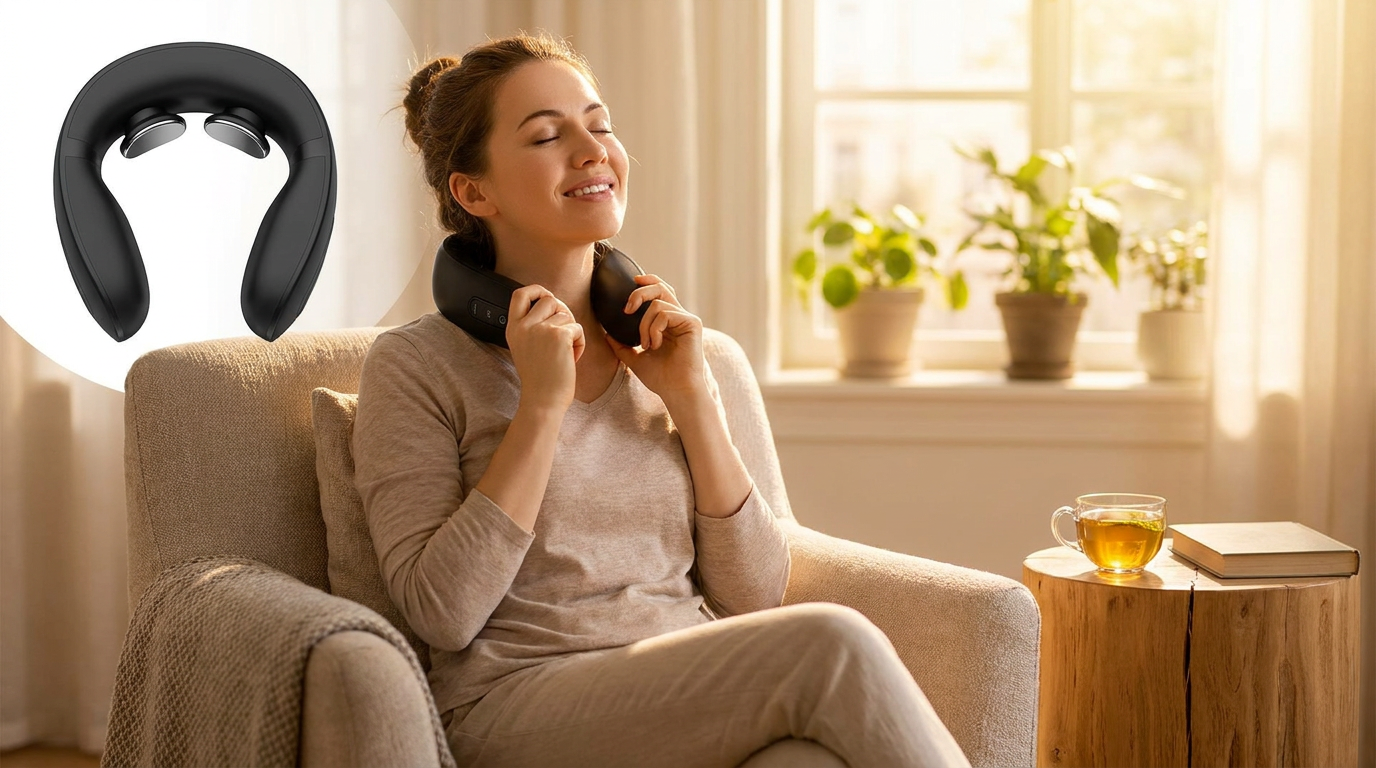
How to Use a Cordless Neck Massager for Deep Tissue Relief
July 23, 2026 — Effective deep tissue application with a Cordless Neck Massager requires a systematic approach to muscle fiber direction and pressure intensity, provided the user maintains proper cervical alignment.
Deep tissue relief at home is primarily sought by individuals experiencing chronic tension in the upper trapezius and levator scapulae muscles, often resulting from prolonged sedentary work. Think of it as a matrix of pressure and placement: the efficacy of the massage depends on your ability to stabilize the device while allowing the mechanical nodes to penetrate the fascia. Two axes matter here: the angle of the device against the muscle and the duration of static pressure versus active movement.
How do you target deep muscle layers with a Cordless Neck Massager?
To reach deep muscle layers, you must synchronize the massager's rotation with targeted breathwork and incremental pressure adjustments. Once you see it this way, the Cordless Neck Massager becomes a tool for myofascial release rather than just a surface vibrator. According to professional techniques cited by Allison Denney of Rebel Massage, safe cervical spine work requires a cautious approach to the bony landmarks to avoid irritation while focusing on the soft tissues that support the head. The decision rule: apply direct pressure only to the muscular bulk of the neck—specifically the sides and the base of the skull—while avoiding the vertebrae themselves. For those dealing with specific nerve compression, understanding the nuances of using a Cordless Neck Massager for pinched nerve relief is essential to avoid exacerbating symptoms.
Can a Cordless Neck Massager replicate professional techniques?
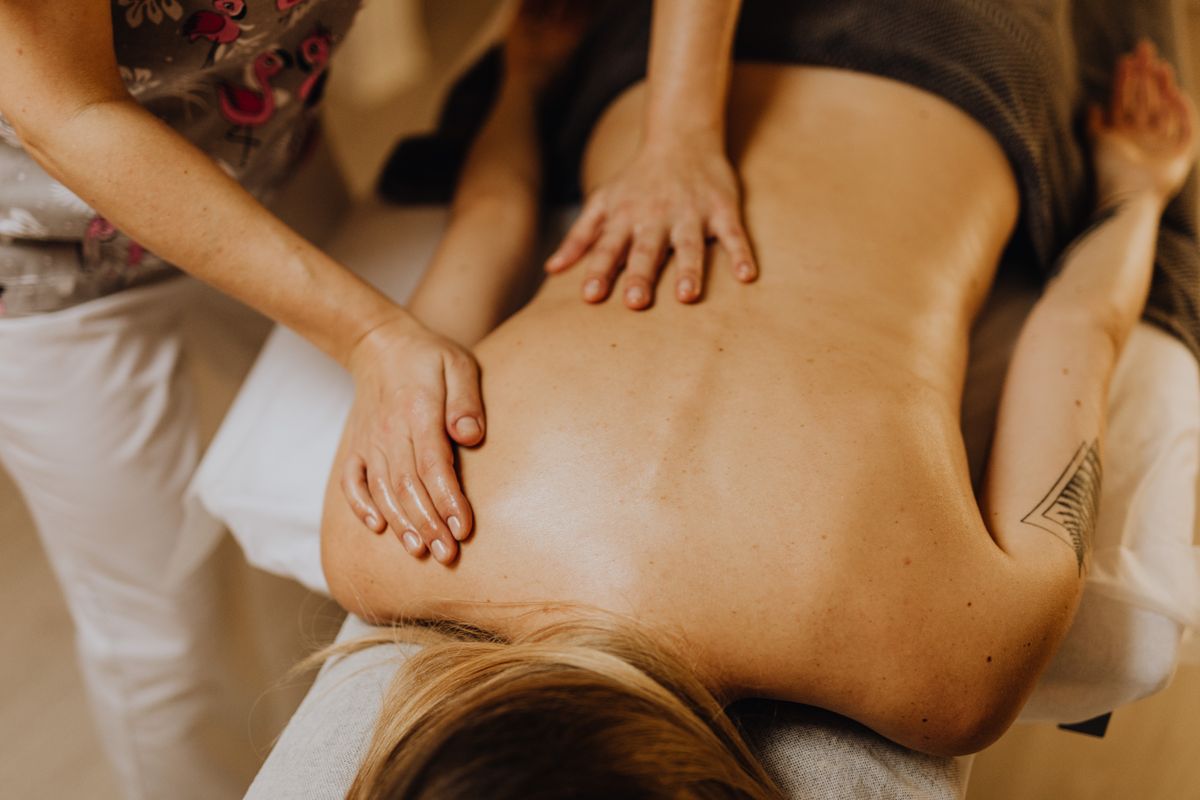
Photo by https://kaboompics.com/ on Pexels
A Cordless Neck Massager can replicate the kneading and longitudinal stripping used in professional settings by leveraging its high-torque motors and ergonomic handle straps for leverage. Healthline notes that self-massage techniques, including the use of specialized tools, are effective for treating pain in the head and neck by improving localized blood flow. To mimic professional deep tissue work, focus on the upper Trapezius and Levator Scapulae; these muscles often hold the highest concentration of trigger points. Using a wireless neck massager with heat further assists this process by increasing tissue elasticity before the deep kneading begins. WikiHow's guide on deep tissue pressure suggests being alert to physical reactions, as deep work should feel "intense" but never sharp or electric. If the sensation shifts from a dull ache to a sharp sting, the device should be repositioned immediately to a different muscle group.
Quick answers
Q: How long should a deep tissue session last with a Cordless Neck Massager? A: Most manufacturers recommend a 15-minute cycle to prevent muscle bruising or overstimulation of the nervous system. This duration is often programmed into the device's auto-shutoff timer.
Q: Is heat necessary for deep tissue neck massage? A: While not strictly required, using a wireless neck massager with heat helps soften the fascia, allowing the massage nodes to reach deeper muscle layers with less physical force.
Q: What is the most common mistake when using a portable massager? A: The most frequent error is applying direct pressure to the cervical spine instead of the surrounding paraspinal muscles. Always keep the massage nodes on the soft tissue to ensure safety and effectiveness.
Learn more about Cordless Neck Massager at https://cordlessneckmassager.com.
Sources

Photo by Nothing Ahead on Pexels
- Professional Deep Tissue Techniques Part 1
- How to Ease Stress and Pain with Self-Massage Techniques
- How To Approach The Neck... Better | Massage Tutorial for ...